The Power Behind the Scenes: Why Neighborhood Leaders Are the True Engine of Community Change

Every few months, a familiar story cycles through the news: a celebrity, a billionaire, or a prominent public figure announces a splashy philanthropic commitment. The announcement is accompanied by press releases, social media fanfare, and breathless coverage of the sheer dollar amount involved. The gesture is often genuine, and the funds are frequently welcomed by recipient organizations. But somewhere far from the cameras — in a church basement in Cleveland, a community garden in South Los Angeles, a food pantry in rural Appalachia — a different kind of work is happening. Quieter, slower, and arguably far more consequential.
At Balaji Charitable Trust, we have long believed that the most durable change in any community is driven not by those who arrive with resources and attention, but by those who were already there — who grew up on those streets, who understand the particular texture of local struggle, and who have earned the trust of their neighbors over years of consistent, unglamorous effort.
The Limits of Celebrity Philanthropy
This is not an argument against large-scale donations or high-profile giving. Significant financial contributions, regardless of their source, can fund vital programs and expand organizational capacity in ways that matter enormously. The concern is not with the generosity itself, but with the tendency — in media coverage and in philanthropic culture more broadly — to treat celebrity-driven giving as the gold standard of social impact.
When philanthropy becomes primarily a spectacle, several distortions follow. Funding tends to concentrate around causes that photograph well or resonate with affluent donors, rather than around the most pressing and least visible community needs. Organizations with strong marketing capabilities attract disproportionate resources, while smaller, community-embedded groups operating on shoestring budgets go underfunded. And the communities ostensibly being helped are often treated as passive recipients rather than as the primary agents of their own transformation.
Perhaps most critically, high-profile giving rarely comes with the one thing money cannot buy: genuine local knowledge.
What Local Leaders Actually Know
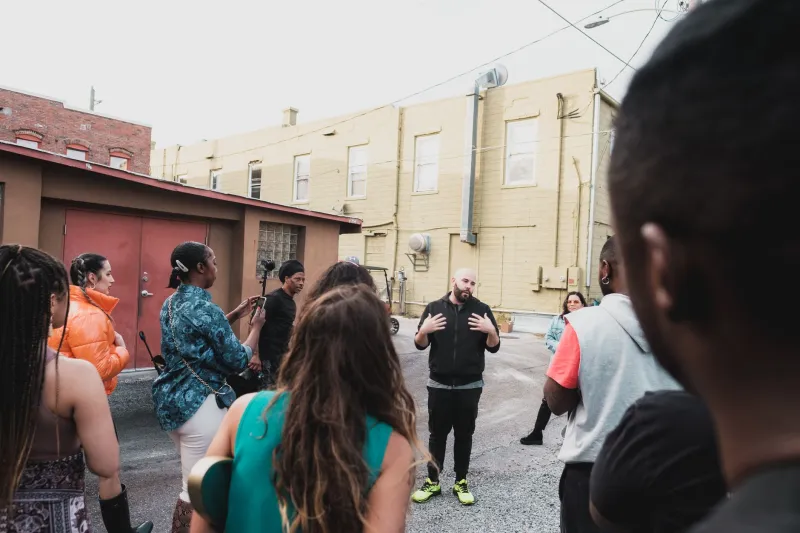
Consider what a neighborhood leader in a low-income urban community actually possesses. She knows which families are most at risk of eviction and why. She understands the unofficial power dynamics that shape whether a new program will be trusted or ignored. She knows which community members have been burned by well-meaning outside initiatives before, and what it would take to rebuild that trust. She speaks the language — sometimes literally — of the people she serves.
This knowledge is not incidental. It is the foundation upon which effective, lasting change is built. Programs designed without it tend to address symptoms rather than root causes, to duplicate existing efforts, or to fail outright because they misread the community they intended to help.
Research in the field of community development consistently supports this intuition. Studies examining long-term outcomes of place-based initiatives find that interventions led or co-designed by community members demonstrate significantly higher rates of sustained impact than those imposed from outside, regardless of funding levels.
Stories From the Ground
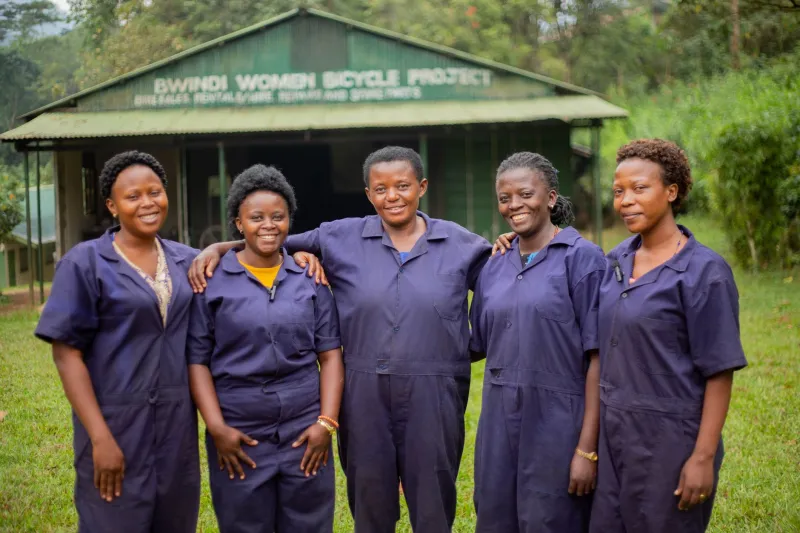
The evidence is not only academic. Across the United States, there are thousands of individuals whose impact on their communities rivals — and often exceeds — that of far more visible philanthropic figures.
There is the retired schoolteacher in Detroit who, after watching her neighborhood's only grocery store close, organized a community buying cooperative that now serves more than 400 families. There is the formerly incarcerated man in Philadelphia who built a reentry support network from scratch, drawing on his own experience to create programming that the city's established social services could not replicate. There is the young woman in rural Mississippi who, after noticing that elderly neighbors had no reliable transportation to medical appointments, started a volunteer driver network that has since logged tens of thousands of miles.
None of these individuals made national headlines. None of them had access to major donor networks or philanthropic foundations at the outset. What they had was proximity, credibility, and an intimate understanding of the problem they were trying to solve.
The Case for Trusting Local Leadership
Supporting community-embedded leaders requires a different posture from the one that conventional philanthropy often adopts. It means moving away from prescriptive grant-making — funding specific programs with narrow deliverables — toward more flexible, trust-based support that allows local leaders to respond to evolving community needs.
It means accepting that the most important work is sometimes the hardest to measure. Relationship-building, conflict mediation, informal mentorship — these are not easily captured in a quarterly impact report, but they are often the preconditions for every measurable outcome that follows.
It also means being willing to fund organizations that lack polished websites and professional grant writers, recognizing that the absence of marketing sophistication is not evidence of organizational weakness. Some of the most effective community organizations in America operate with minimal administrative infrastructure precisely because they direct every available resource toward direct service.
How Donors Can Shift Their Giving
For those who want to align their giving with this philosophy, the path forward involves a degree of intentionality that goes beyond writing a check to the most recognizable name in a given cause area.
Start by identifying community foundations in the geographic areas you care about. Community foundations typically maintain deep knowledge of local organizations and can connect donors with grassroots groups that might otherwise be invisible to outside funders. Many also offer giving vehicles — including donor-advised funds — that allow donors to support local initiatives with the same tax advantages available through larger national platforms.
Seek out organizations that demonstrate genuine community ownership: boards composed primarily of community members, programming developed in response to community-identified priorities, and leadership that reflects the demographics of the population served. Ask nonprofits you are considering supporting how decisions are made and who has a voice in shaping organizational direction.
Finally, consider multi-year commitments over one-time gifts. Local leaders need stability to do their work effectively. A smaller gift renewed annually over five years is often more valuable to a community organization than a larger one-time contribution, because it allows for planning, staff retention, and the kind of long-term relationship-building that produces real change.
Redefining What Generosity Looks Like
The most powerful philanthropy is not always the most visible. It does not always come with a press conference or a naming opportunity. Sometimes it looks like a sustained commitment to a neighborhood organization most of your peers have never heard of, led by a person whose name will never trend on social media but whose presence in their community is irreplaceable.
At Balaji Charitable Trust, our work is grounded in the conviction that communities hold the solutions to their own most pressing challenges. Our role — and the role of every thoughtful donor — is to trust that wisdom, resource it adequately, and then step back to let it flourish. The unsung heroes of American community life are already doing the work. The question is whether we will give them the support they deserve.